
My Philosophy
 Cross
CrossTalk
Integrated Center for Women’s Health Director
Women’s Health Center Women’s Surgery / Gynecology
Integrated Center for Women’s Health
Discovery and Innovation Gateway (provisional name) Division Chief
Research Institute, National Center for Child Health and Development Division of Diversity Research Chief
Cross Talk .02 | Part 2 Where Voices Rise, Diversity Thrives
Working women build their careers while navigating challenges at every stage of life — from pregnancy and childbirth to child rearing — as well as issues unique to women, such as hormonal changes. These are not individual concerns alone, but important dimensions of diversity that deserve thoughtful attention.
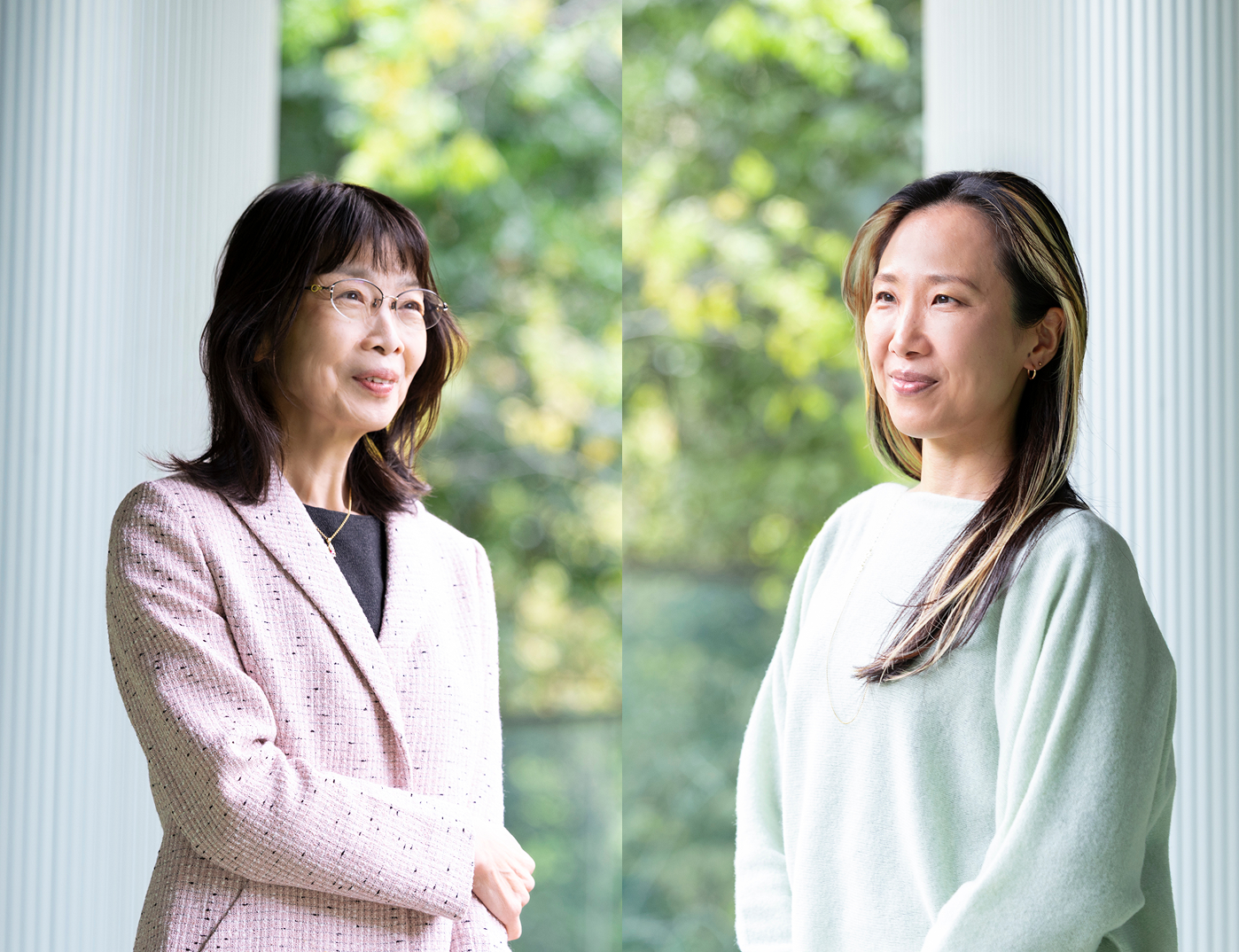
In this conversation, we spoke with Dr. Hiromi Komiya, who has long been engaged in women’s health and career support, and Dr. Keiko Matsubara, who leads diversity initiatives at NCCHD, about practical insights for sustaining careers and the perspectives organizations will need in the years ahead.
Integrated Center for Women’s Health Director
Women’s Health Center Women’s Surgery / Gynecology
Integrated Center for Women’s Health
Discovery and Innovation Gateway (provisional name) Division Chief
Research Institute, National Center for Child Health and Development Division of Diversity Research Chief
Working women build their careers while navigating challenges at every stage of life — from pregnancy and childbirth to child rearing — as well as issues unique to women, such as hormonal changes. These are not individual concerns alone, but important dimensions of diversity that deserve thoughtful attention.
In this conversation, we spoke with Dr. Hiromi Komiya, who has long been engaged in women’s health and career support, and Dr. Keiko Matsubara, who leads diversity initiatives at NCCHD, about practical insights for sustaining careers and the perspectives organizations will need in the years ahead.
A Bio-Psycho-Social Approach to Women’s Health
Dr. Matsubara
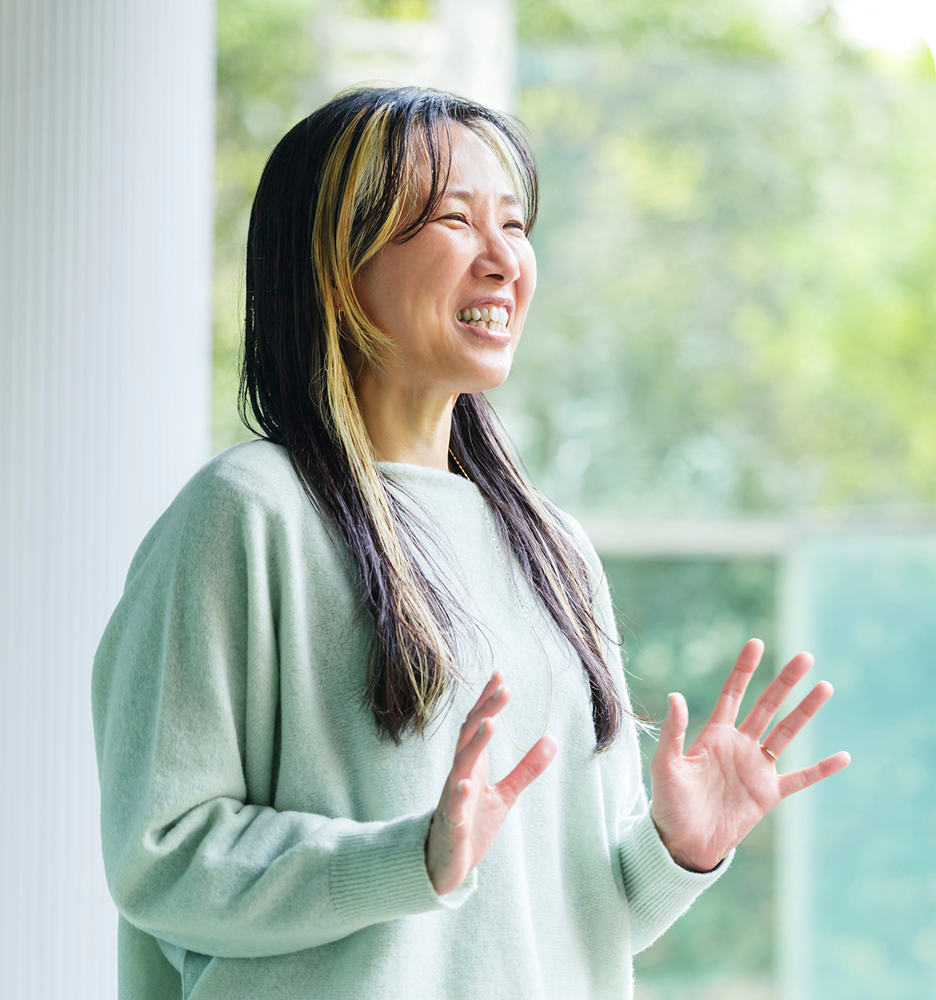
Perhaps fluctuations in one’s physical condition can also be understood, in a broader sense, as part of diversity. No one is able to perform at one hundred percent all the time, and each of us begins with different potentials. The time and energy we can devote to work or family also vary from person to person. I believe that diversity includes these differences as well.
At the same time, this is not an easy way of thinking. Simply categorizing people as “men” or “women” does not fully capture the complexity involved. Even physical differences cannot be reduced to surface-level distinctions. I feel that we need to approach these questions from a much broader and more nuanced perspective.
Dr. Komiya
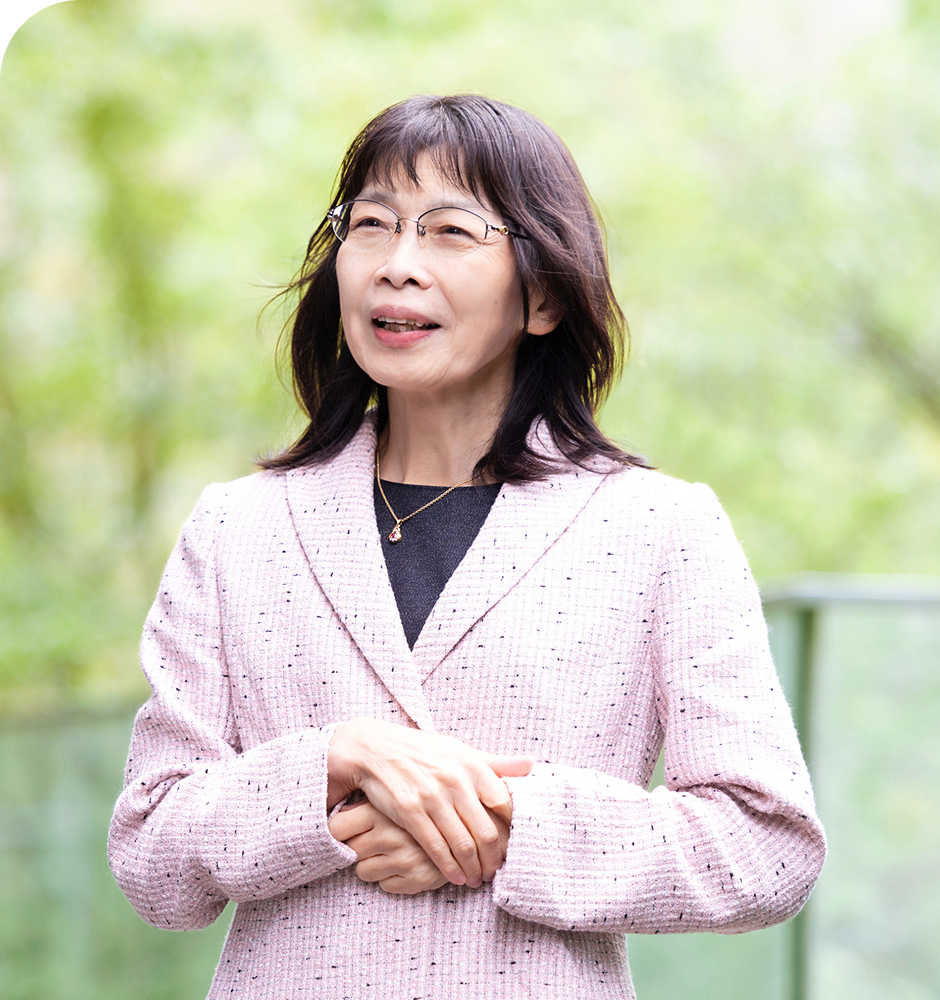
Yes, that is true. There are undeniable biological differences between men and women. Women are often more directly influenced by hormonal fluctuations, including changes associated with the menstrual cycle and menopause. While men may experience age-related hormonal changes such as late-onset hypogonadism (LOH), there is no clearly defined transition comparable to menopause, and that distinction is significant.
Recognizing these sex-based differences does not contradict diversity; rather, it provides an essential foundation for understanding it. With those differences in mind, I believe it is important to reconsider how we think about women’s bodies and the ways women work, and to shape environments that reflect those realities.
Dr. Matsubara
Sex differences may be one of the more visible forms of difference, but variations in physical condition and personal circumstances exist for everyone. In that sense, diversity should encompass these individual differences as well.
Promoting diversity is not simply about acknowledging that people are different. Rather, it is about creating structures and environments in which each individual can perform at their best, enabling the organization as a whole to move in a better direction. The goal is not to cultivate a single standout star, but to strengthen the collective capacity of the entire organization.
To achieve that, I believe an organization must be grounded in tolerance and compassion. Only in such an environment can people feel secure enough to contribute fully.
There Is No Single Model of Women’s Work
Creating Systems That Support Individual Rhythms.
Dr. Matsubara
From here, I would like to turn to the topic of women’s ways of working.
Some individuals wish to commit fully and devote themselves intensely to their careers, while others choose different paths. From the perspective of diversity, there should be room for a range of working styles. The question, however, is how we recognize and support that diversity in practice. I believe this is a crucial point — not only for organizations, but for individuals as well.
Dr. Komiya
I believe that the way women work naturally changes over the course of different life stages. Pregnancy, childbirth, raising children, and menopause each bring their own transitions. Valuing those changes while maintaining one’s health is, above all, essential.
Dr. Matsubara
I believe that everyone has their own way of working.
That is why it is important to create an environment where anyone can work comfortably and without an unnecessary burden. This can include workplace policies and support systems, but also more personal forms of help, such as guidance, advice, and ongoing support tailored to each individual.
What matters most is recognizing that not everyone can work in the same way. By starting from this understanding, we can build workplaces that are more flexible, inclusive, and supportive for everyone.
When individuals step into leadership roles as managers or supervisors, I believe it is important that they receive training that helps them develop this perspective. At the same time, I do not think it is appropriate to set the standard based solely on those who may be temporarily unable to work at full capacity.
Some people feel a strong sense of mission and wish to devote themselves fully to their work. Others may prefer to challenge themselves within a range that is sustainable for them. Organizational systems should not suppress that motivation or diminish individual drive.
If each person is able to contribute at their own pace, and in a way that aligns with their circumstances and aspirations, I believe that is enough. Diversity does not mean lowering ambition; it means creating space for different forms of commitment to coexist.
Compassion and Flexibility: The True Test of Leadership
Dr. Matsubara
Ideally, having an environment where everyone can receive the same level of support contributes to organizational sustainability and gives workers a sense of security. For that, it is important that policies and rules are clearly defined and that people can actually utilize them.
At the same time, policies alone cannot address every situation. There are moments when a more flexible and responsive approach is required. When managers and supervisors cultivate that mindset, they create an environment in which their team members can work with greater confidence and security.
In particular, those raising children often find that, after several years, once life becomes more stable, they are able to contribute at a higher level again. How that period is supported matters greatly. In the long run, providing that support strengthens not only the individual, but the organization as a whole.
Dr. Komiya
I truly feel that the period of raising children is, in many ways, a limited and precious phase of life. That is why it is important to ask oneself what to prioritize at a given moment. Setting priorities according to one’s circumstances is not a weakness, nor is it something to feel guilty about.
And once that stage of child-rearing has been navigated, many find that they can move forward again — this time with renewed energy — toward their aspirations and goals. That is how I have come to see it.
Dr. Matsubara
Ultimately, I believe the most important thing is not to force individuals into a single model, but to create an environment in which each person can work in a way that aligns with their own aspirations and circumstances.
That said, in reality, workloads can be heavy, and before one realizes it, it is easy to carry too much alone.
Dr. Komiya
At present, I feel that improving efficiency is one of our major challenges. Incorporating digital technologies such as AI is certainly important, but that alone is not enough.
In a broader sense, efficiency also means not trying to carry everything on one’s own. Being able to say, “Could you take this on?” or “May I ask for your help?” is, I believe, an essential skill.
Dr. Matsubara
In other words, it comes down to being able to say, “I need help,” out loud.

Dr. Komiya
I agree. Creating an environment where people feel comfortable asking for support and saying, “Could you help with this?” is very important. Each department and each individual have different areas of expertise, and having a culture where it is natural to ask for help truly matters.
When those in leadership positions model this attitude, it makes it easier for others to speak up as well. Over time, this can significantly change the overall atmosphere of the organization and foster a more open, collaborative, and supportive workplace.
Dr. Matsubara
When someone reaches out for help, offering support in whatever way we can — regardless of position — makes a meaningful difference. If we can cultivate that mindset toward one another, I believe it will create a more open and collaborative workplace.
When I was younger, there were times when I worried that showing vulnerability might mean losing opportunities — that someone else might take over my work. In reality, that never happened.
On the contrary, as the expectations and complexity of our work have continued to increase, it has become clear that no one can manage everything alone. Perhaps because of that, I now feel even more strongly that we need to say, “Let’s work together.”
When I was younger, I sometimes worried that showing weakness might cause someone to take over my work. But in reality, that never happened. In fact, as the demands and quality expected in work increased, and the challenges became too much for one person alone, the sense of “let’s cooperate together” grew even stronger.
Dr. Komiya
I also believe that empathy is essential. Men and women experience health differently. Women cannot fully understand every aspect of men’s health, and the same is true in reverse. Yet by gaining even a modest level of knowledge, we can learn to be more considerate of one another. In other words, it is about raising our literacy.
When we deepen our understanding, we may not always need to articulate everything explicitly; we can begin to recognize and respond to one another more intuitively. In such an environment, the workplace naturally becomes more humane and supportive. To me, that is what diversity truly looks like.
Dr. Matsubara
There are certainly situations that are difficult, and realities that cannot be resolved by idealism alone. Even so, I believe it is important for those in managerial positions to demonstrate as positive and constructive an attitude as possible. That posture itself becomes a source of support for those around them.
Dr. Komiya
Yes, I agree. A diversity perspective is essential for managers and those in leadership roles. There is also the issue of unconscious bias, and becoming aware of it requires ongoing learning.
Training and education play a crucial role in that process. Without opportunities to reflect and gain new insights, it is difficult to recognize the biases we may not even realize we hold.
Dr. Matsubara
Some managers try to carry everything on their own. It often comes from a strong sense of responsibility. Precisely for that reason, however, they may need a mindset that allows them to ease the pressure slightly.
Leadership does not mean doing everything alone. Sometimes, allowing oneself to step back and share responsibility is what ultimately strengthens both the individual and the organization.
What We Leave to the Next Generation
Dr. Matsubara
Finally, as a woman researcher, what would you like to pass on to the next generation, and what do you hope to leave behind? In addition, could you share the kind of environment you hope to help build in the years ahead?
Dr. Komiya
Even today, discussions about work are often framed in terms of “because she is a woman” or “because he is a man.” Ideally, however, we should be able to engage in these conversations on equal footing, without relying on such distinctions. I hope that one day this will simply feel natural.
Pregnancy and childbirth are experiences unique to women, but raising children is something that men and women should share. Since my time in Fukushima, I have long hoped that this way of thinking would not be treated as something exceptional, but rather as something quietly and widely accepted.
If men and women can continue to care for and support one another, step by step, I believe we can move closer to that kind of society.
Dr. Matsubara
If there is one message I would most like to share, it is this: do not give up.
Do not give up on your career or on the possibility of having children simply because of your physical condition or the circumstances you face. I hope that whatever choice you make, it is one you arrive at through your own will — not out of resignation or a sense of limitation.
Even if you ultimately choose a different path, I hope you can see it not as something you “gave up,” but as something you consciously chose. Do not narrow your own possibilities. Hold on to your potential and keep moving forward with confidence until the very end.
Dr. Komiya
I truly agree. If there is something you want to pursue, I hope you will not hesitate to take on the challenge. We are given only one life. I hope you will face what you genuinely wish to do — what you can truly call your dream — and move forward with conviction.
There is no need to rush. Walk at your own pace. Stay healthy, remain resilient, and continue forward through the long journey of life with steadiness and grace.
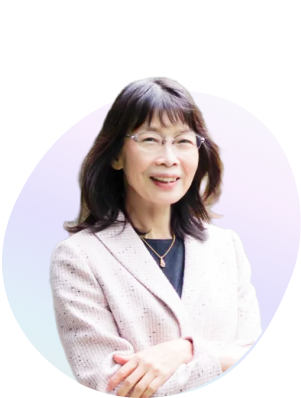
Integrated Center for Women’s Health Director
Women’s Health Center Women’s Surgery / Gynecology
Graduated from Yamagata University Faculty of Medicine and earned a Ph.D. in Medicine. After completing clinical training in obstetrics and gynecology, she conducted research at Baylor College of Medicine in the United States.
In 2001, she joined Fukushima Medical University, where she dedicated herself to women’s healthcare and the support of women physicians. She has held key leadership positions, including Professor at the Center for Gender-Based Medicine and Vice Director of the Office for Gender Equality Promotion, working to advance institutional reforms and create supportive environments.
In October 2024, she was appointed Director of the newly established the Integrated Center for Women’s Health (ICWH) at the NCCHD.

Integrated Center for Women’s Health
Discovery and Innovation Gateway (provisional name) Division Chief
Research Institute, National Center for Child Health and Development Division of Diversity Research Chief

Graduated from Hamamatsu University School of Medicine. A pediatrician and Ph.D. in Medicine. She has conducted research on pediatric endocrinology, imprinting disorders, and clinical genetics. Building on expertise in molecular endocrinology and data science, her work focuses on the analysis of hereditary diseases as well as research in pediatric developmental medicine and therapeutic support.
After serving as Researcher and Senior Researcher in the Department of Molecular Endocrinology at NCCHD, she was appointed Chief of the Division of Diversity Research in 2023.
Dr. Matsubara
I would like to take a step back and consider the theme of “women’s health” from a broader perspective. What does women’s health truly encompass? And how can it be meaningfully connected to the concept of diversity?
Dr. Komiya
When we speak of women’s health, as Director Igarashi often emphasizes, it should be understood through a biopsychosocial framework — that is, as comprehensive well-being encompassing physical, psychological, and social dimensions.
It goes beyond conventional obstetrics and gynecology or conditions specific to women. It includes the various symptoms and challenges women may experience, the changes associated with age and life stages, as well as mental health and the surrounding social environment. I believe that women’s health can only be fully understood when all of these elements are considered together, in an integrated way.
Dr. Matsubara
At the same time, I sometimes wonder whether it is truly fair to group people together simply by saying, “Because she is a woman.” While working on the theme of women’s health, I have also asked myself whether I may not be paying sufficient attention to the challenges faced by men.
Precisely because I focus on women’s health, I feel there is a responsibility to remain aware of the issues men encounter as well. Addressing women’s health does not mean overlooking others; rather, it requires us to broaden our perspective and consider health in a more inclusive and balanced way.
Dr. Komiya
Fluctuations in one’s physical condition are, I believe, unavoidable. Everyone has days when they do not feel their best. The real issue is when those signs are left unaddressed.
Both men and women may think, “It’s probably nothing,” or “Everyone else is enduring it,” and end up overlooking their own discomfort. Before they realize it, those minor symptoms can persist, and their performance may gradually decline.
Today, these conditions are often described using terms such as “presenteeism” and “absenteeism.” An increase in either is not a healthy trend.
That is why I believe it is important to become more attentive to changes in one’s body and mind, and to seek care early rather than waiting until problems intensify.