
My Philosophy
 Pick Up
Interview .05 | A Vision of Natural Work-Life Balance Witnessed Abroad 25 Years Ago Continues to Sustain My Research Career
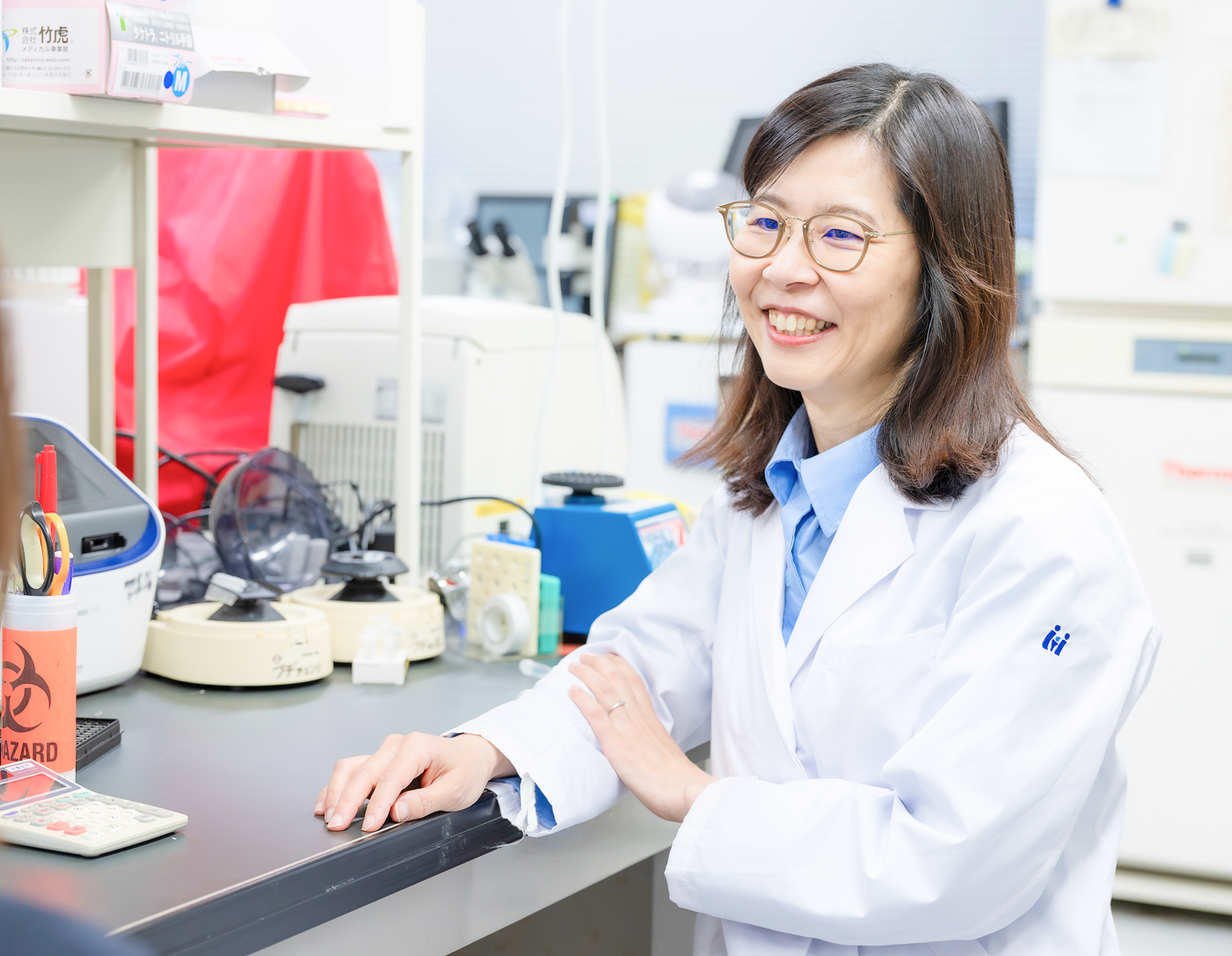
Dr. Tomoko Kawai, who leverages her background in nutrition to study how the pre- and post-natal environment affects child development, currently serves as a Chief in the Department of Maternal-Fetal Biology. We spoke with her about the impact of her international experience, balancing research with childcare, and her message for the next generation of researchers.

Division of Fetal Development Chief
Ensuring Smooth Team Progress through Clear Shared Goals
My department has many female members, most of whom are around the same age. It is a supportive environment where we intuitively understand each other’s childcare responsibilities.
In managing the team, I make a conscious effort to clearly communicate the "why" behind every task. When the purpose of the research is clear, team members are more willing to take on challenging work because they understand the necessity and the deadlines. Aligning our perspectives before starting a task is crucial for smooth collaboration.
I also prioritize communication. While we mostly use chat tools now, if there is ever any uncertainty, I make it a point to go to their desk—or have them come to mine—to confirm details in person. I strive to ensure information is shared among all stakeholders. Conversely, to ensure our good rapport doesn’t lead to complacency, I maintain strict management of deadlines and schedules.
Don't Overthink the Distant Future—Seize Opportunities When They Arise
For young people aspiring to a career in research, I think that planning everything too rigidly can sometimes create undue pressure. When things don't go exactly as planned, it can lead to a sense of frustration or dilemma. In reality, as long as you have the curiosity—the fundamental desire to "find out"—you can sustain a life in research. I believe that if you embrace challenges without hesitation when opportunities arise, you can maintain a sense of fulfillment in your work.
Compared to the past, there is now a much stronger environment for nurturing young researchers. There are more opportunities to apply for fellowships, such as those from JSPS (Gakushin), and various project grants. Furthermore, we are seeing an increase in research grants that take life events into account during the application process.
The constraints on how women "should" work are far fewer than they used to be. I truly hope the next generation will feel empowered to take on a wide variety of challenges.

Division of Fetal Development Chief
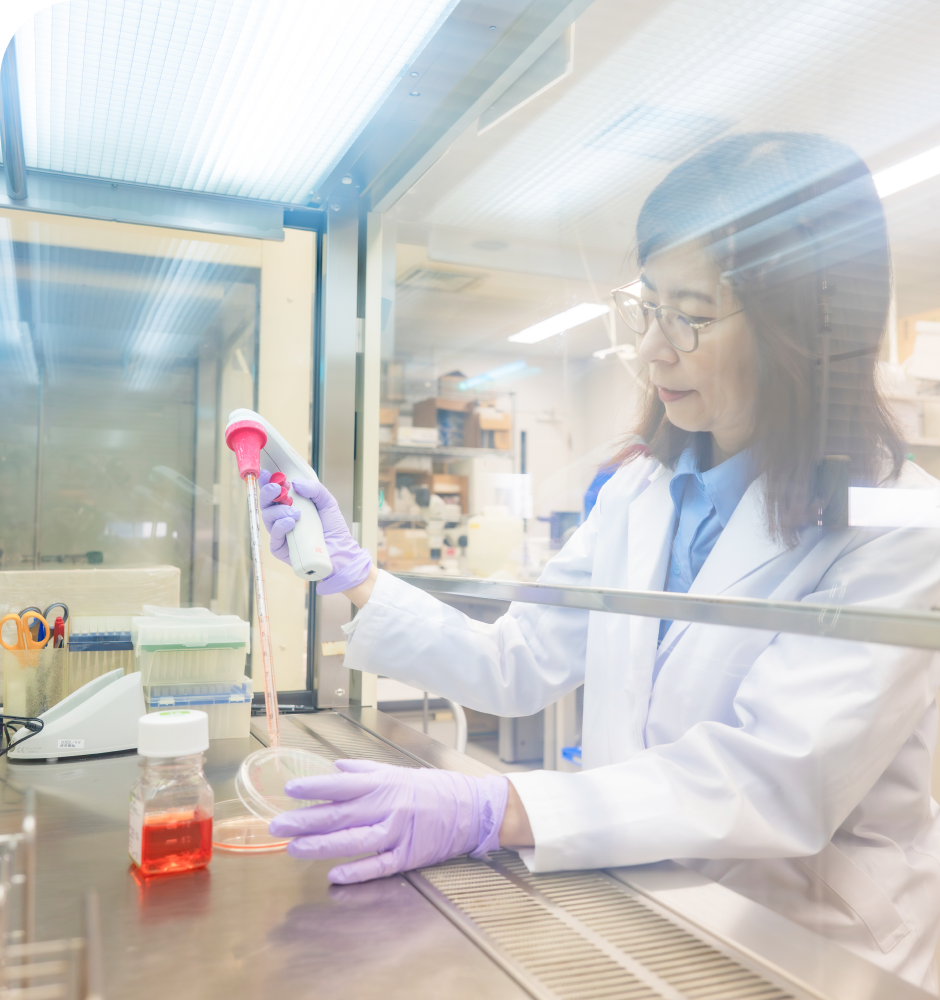
After earning a Ph.D. in Nutrition from Tokushima University Graduate School, Dr. Kawai conducted research on cellular stress responses at Yale University School of Medicine and the U.S. National Institutes of Health (NIH). Upon returning to Japan, she held positions at Tokushima University and the National Institute of Health and Nutrition before joining the National Center for Child Health and Development (NCCHD) as a researcher in the Department of Maternal-Fetal Biology. Since May 2016, she has served as the Chief of the Laboratory of Fetal Development within the same department. Her current research focuses on the epigenetic mechanisms linking the fetal environment and maternal glucose metabolism disorders to fetal phenotypic outcomes. Additionally, she serves as an editorial board member for the Japan Society for DOHaD.
Building a Career by Focusing on "What Can Be Done Here and Now"
Originally, I majored in nutrition and earned my Ph.D. in that field. Rather than following a strictly predetermined path to where I am today, I have continued my research with a flexible mindset—choosing to do what I could within each environment as I navigated life events like marriage and childbirth.
My current work in perinatal medicine involves elucidating the pathology of pregnancy-related complications and how the maternal environment influences fetal development. I see this as a field where I can fully utilize my multidisciplinary background in nutrition and molecular physiology.
“No Need to Overthink It”: Lessons on Work-Life Balance from the U.S.
While studying in the United States, I witnessed a colleague working in the lab in the morning and heading to the maternity ward to give birth that afternoon. That experience surprised me and taught me that while childbirth is a major life event for women, one doesn't have to be overly apprehensive about it.
My supervisor at the time had four children and gave birth twice during my stay, yet she worked until the very last moment. Right after the births, she would work from home—sometimes inviting us there for meetings—or she would bring the baby to the lab in a stroller. Seeing her seamlessly integrating work into her life as a parent was incredibly liberating.
I have since brought my own child to my current workplace as well. I believe this was possible because my supervisors and colleagues understand the importance of work-life balance. Had I not seen my former supervisor’s example in the U.S. before my own experience with childbirth, I might have considered giving up my research career entirely.